Jamaican Food for Beginners: Where to Start
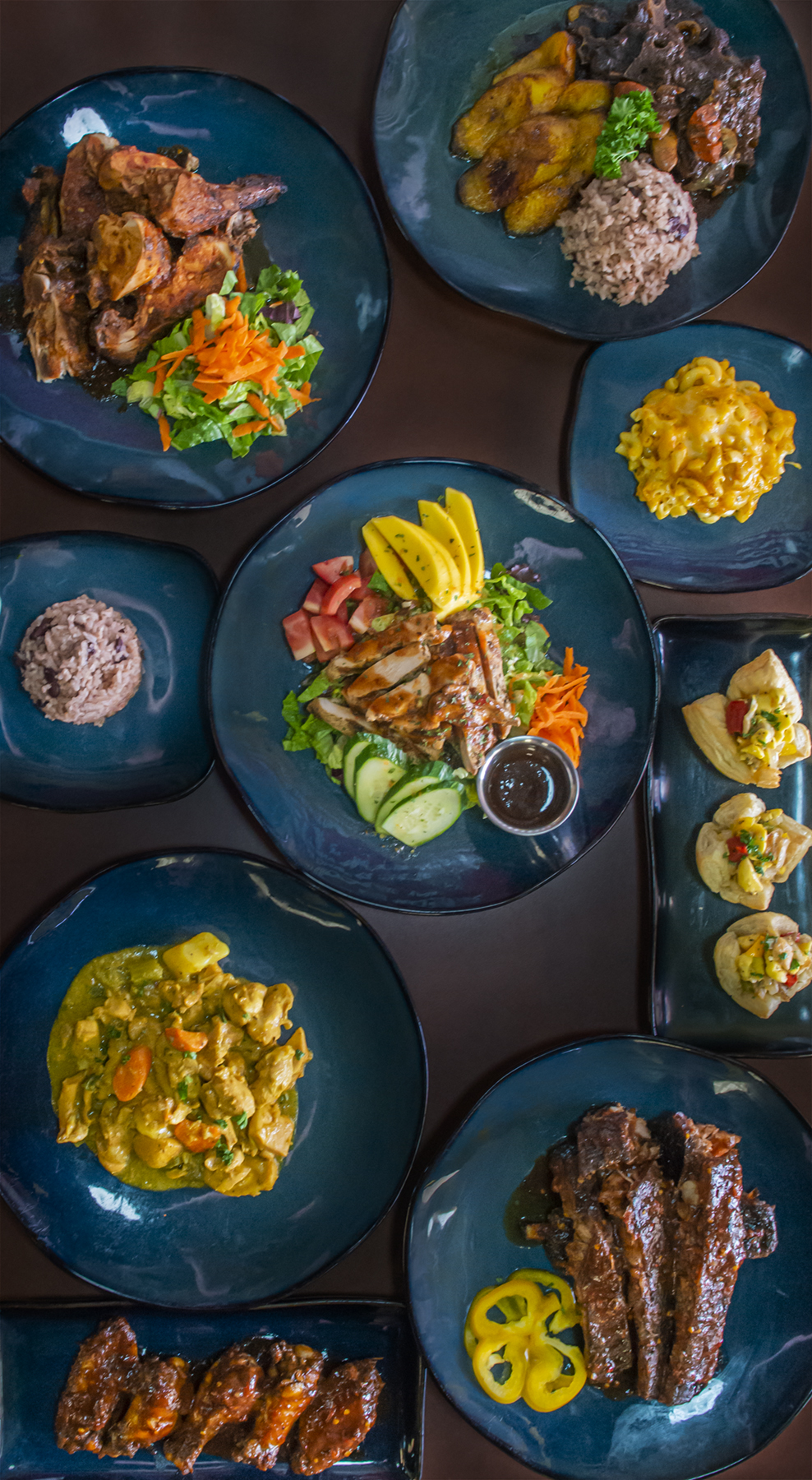
If you are curious about Jamaican food but do not know where to begin, it helps to forget the tourist brochure version first. The cuisine is not a single flavor, and it is not limited to jerk seasoning, though jerk is important and worth knowing. Jamaican cooking is layered, practical, deeply regional, and shaped by African, Indigenous, European, Indian, and Chinese influences. It is also one of those food traditions where technique matters as much as ingredients. The same chicken can taste wildly different depending on whether it is smoked slowly over pimento wood, braised into a brown stew, or folded into a curry with potatoes and thyme.
For beginners, that variety can feel like a lot. The easiest way in is not to try to understand everything at once. Start with a few core flavors, learn what makes a meal feel distinctly Jamaican, and taste dishes in an order that builds your palate rather than overwhelming it. Once you do that, the cuisine opens up quickly.
What makes Jamaican food memorable is its balance. Heat is part of the story, but not the whole thing. So are sweetness, smoke, fresh herbs, acidity, and the kind of savory depth that comes from browning, simmering, and seasoning with patience. A well-cooked Jamaican meal often tastes bold without being chaotic. That is why even simple dishes can leave such a strong impression.
The flavor backbone of Jamaican cooking
Before choosing your first dish, it helps to know the building blocks you will encounter again and again. The most important of them is the green seasoning base many cooks make from scallion, thyme, onion, garlic, allspice, Scotch bonnet pepper, and sometimes ginger. Even when recipes vary, this aromatic profile gives Jamaican food its familiar shape.
Allspice matters more than many beginners realize. In Jamaica, it is often called pimento, and it brings warmth that sits somewhere between clove, cinnamon, nutmeg, and pepper. It shows up in jerk, stews, and rice dishes. Thyme is another key note, usually fresh if possible. Scotch bonnet pepper adds fruitiness as well as heat. Used properly, it does not just make food spicy. It makes it brighter and more fragrant.
Then there is browning. Jamaican cooks often darken sugar to create a rich base for gravies and stews, or they use bottled browning sauce for color and mild bitterness. This is one of those details that separates a dish that is merely seasoned from one that tastes rounded and complete.
A beginner sometimes expects every plate to be fiery. That is not how the food works in practice. Many dishes are only moderately hot, and some are barely spicy at all. Heat is adjustable. Flavor is not optional.
Start with the dishes that teach the cuisine best
The smartest way to explore Jamaican food is to begin with dishes that introduce the core seasonings without demanding too much from an inexperienced palate. Some meals are iconic but intense. Others are welcoming from the first bite.
Here are five of the best starting points:
- Jerk chicken for smoke, spice, and the flavor of pimento and Scotch bonnet.
- Brown stew chicken for a gentler, gravy-rich introduction to Jamaican home cooking.
- Curry chicken for the Indo-Jamaican side of the cuisine, aromatic rather than smoky.
- Rice and peas to understand the standard side dish that anchors many meals.
- Patties for an easy handheld entry, especially if you are trying Jamaican food casually.
If you only try one meal first, make it jerk chicken with rice and peas and perhaps a side of festival or plantain. That combination gives you a broad view quickly. You taste smoke, spice, starch, sweetness, and texture in one sitting.
Why jerk is famous, and why it should not be your only reference point
Jerk is the dish most people outside Jamaica know first, and for good reason. Proper jerk has a flavor that is hard to confuse with anything else. The seasoning paste usually includes Scotch bonnet, scallion, thyme, garlic, ginger, allspice, and sometimes cinnamon, nutmeg, soy sauce, vinegar, or brown sugar, depending on the cook. The meat is marinated, then cooked low and slow, traditionally over pimento wood with charcoal. That method creates a smoke profile that no bottled sauce can fully reproduce.
A lot of restaurant jerk, especially outside the Caribbean, falls into one of two traps. Either it becomes a generic spicy grilled chicken with too much sweetness, or it gets buried under a thick sauce. Good jerk is seasoned through the meat, not lacquered on top. It should smell herbal and smoky before you even take a bite.
For a beginner, jerk can be thrilling, but it can also mislead. If your only experience of Jamaican food is jerk, you miss the softer side of the cuisine, the stews, soups, rice dishes, and breakfasts that Jamaicans actually eat all the time. Jerk is essential, but it is not the whole table.
Brown stew chicken, the dish that often wins people over
If I were guiding someone through Jamaican food for the first time, brown stew chicken is the dish I would quietly hope they order. It does https://knoxpuci640.quillnesty.com/posts/jamaican-food-recipes-inspired-by-island-tradition not have the international fame of jerk, yet it shows the soul of everyday cooking. Chicken is seasoned, browned, then simmered with onions, peppers, thyme, garlic, tomatoes, and a dark, savory gravy. The result is rich without being heavy, and flavorful without relying on intense heat.
This is the dish that makes many first-time diners say, “I could eat this every week.” It is deeply comforting. The sauce clings nicely to rice and peas. The vegetables soften into the gravy. The seasoning tastes developed rather than aggressive. You can still notice the Jamaican profile, especially the thyme, scallion, black pepper, and gentle sweetness from browning, but the format is familiar enough that it feels accessible.
For people nervous about spice, brown stew chicken is often the best starting point. If the kitchen is careful, it can be warmly seasoned with very little chile burn.
Curry chicken and the Indo-Jamaican thread
Jamaican curry deserves more respect than it usually gets. It is not the same as Indian curry, though that influence is central to its history. After indentured laborers from India came to Jamaica in the nineteenth century, they brought techniques and spice preferences that became part of the island’s cooking. Over time, Jamaican curry developed its own identity.
Compared with jerk, curry chicken is softer in texture and more mellow in aroma, though still full-bodied. Jamaican curry powder often leans earthy and turmeric-forward, with allspice, garlic, thyme, and Scotch bonnet rounding it out. Potatoes are common, and they are not filler. They absorb sauce and help make the dish feel complete.
A good curry chicken should taste golden, savory, and slightly peppery, with enough richness to coat the mouth but enough freshness from herbs to keep it lively. If you like stewed dishes and want something less smoky than jerk, this is an excellent second stop.
Rice and peas is not an optional side note
One of the easiest mistakes a beginner can make is treating rice and peas as background starch. In Jamaican food, it is more important than that. The “peas” are usually kidney beans or gungo peas, depending on the dish and the season, and the rice is commonly cooked with coconut milk, thyme, scallion, garlic, and sometimes Scotch bonnet for aroma. The result is fragrant and savory, with just enough richness to support the main dish.
When rice and peas is made well, it should not taste plain. You should notice the coconut, but it should not resemble dessert. You should smell the thyme. Each grain should stay separate, not mush together. It is a balancing act, and many home cooks take real pride in it.
Pairing matters here. Rice and peas is excellent with jerk, brown stew chicken, curry goat, oxtail, or fried fish. It absorbs gravies, cools spice, and turns a strong main into a full meal.
The role of sweetness, starch, and contrast
A Jamaican plate often works through contrast. Something spicy sits next to something sweet. A soft braise meets a firm rice dish. Fried plantain, called ripe plantain when served sweet and caramelized, can offset a peppery entrée. Festival, a slightly sweet fried dough, does the same with jerk. Hard dough bread can accompany saltfish at breakfast. Bammy, a cassava flatbread with Indigenous roots, offers chew and neutrality next to fish.
This interplay is one reason Jamaican food feels generous and satisfying. The cuisine is not trying to hit a single note. It is trying to create a plate where each item helps the others.
Beginners often skip sides and order only a protein. That misses the point. Jamaican meals are composed meals. The side dish is part of the flavor logic.
Patties, coco bread, and the easiest casual entry point
Not every first experience needs to be a formal sit-down plate. Jamaican patties are one of the most approachable ways to get acquainted with the cuisine. A patty is a flaky pastry, often yellow from turmeric or curry powder, filled with seasoned meat or vegetables. Beef is the standard, but chicken, vegetable, and sometimes saltfish or soy-based fillings are common.
The best patties have a crust that shatters slightly when you bite in, not one that feels dense or greasy. The filling should be moist and strongly seasoned. Heat levels vary. Some are mild enough for almost anyone. Others carry a slow Scotch bonnet warmth.
If you want a more filling snack, many people tuck the patty into coco bread, a soft slightly sweet bread roll. It sounds simple, but it works. The soft bread tempers spice and turns a snack into a lunch.
For nervous eaters, patties offer a low-risk test. You can learn whether you enjoy the seasoning profile before committing to a full plate.
Breakfast is one of the best places to understand the cuisine
Anyone who wants to move past the obvious should pay attention to Jamaican breakfast. Ackee and saltfish is the national dish, and it tells you a lot about the country’s food culture. Ackee, when cooked, becomes soft and buttery, almost like scrambled egg in appearance, though the flavor is milder and more delicate. Saltfish, usually salted cod that has been soaked and flaked, provides the savory contrast. Onion, tomato, Scotch bonnet, and thyme often round out the dish.
For a first-timer, ackee can be surprising. Its texture is gentle, and the saltfish is assertive. Together, they make sense, especially with fried dumpling, boiled green banana, yam, or breadfruit. It is not always the first dish I recommend to a complete beginner, but it is absolutely worth trying once you have had one or two more familiar meals.
Callaloo is another strong breakfast option, especially for people who enjoy greens. Depending on the cook, it may be sautéed with onion, garlic, tomato, and saltfish, or served as a side. It is earthy, nutritious, and less flashy than jerk, but it captures the home-table side of Jamaican cooking beautifully.
What to know about spice before you order
Scotch bonnet pepper can intimidate newcomers, but context matters. Jamaican cooks often use the whole pepper to perfume a pot without splitting it open, which adds aroma and a trace of heat rather than a full blast. Other times, the pepper is chopped into marinades or sauces and delivers serious fire.
If you are new to Jamaican food, it is fine to ask how hot a dish is prepared in that specific kitchen. That is not a sign of weakness. Heat levels vary a lot, especially outside Jamaica. One restaurant’s “medium” jerk can be another’s “mild.” A brown stew may contain almost no chile heat, while a side sauce on the table can be ferociously hot.
The trade-off is simple. If you avoid all pepper entirely, you may miss some of the cuisine’s fruitiness and lift. If you chase maximum heat immediately, you may flatten subtler flavors under capsaicin. Better to start with moderate spice and work upward.
A few pantry items that make Jamaican flavors easier to recognize
If you plan to cook or simply want to understand menus better, these ingredients are worth learning early:
- Scotch bonnet pepper for fruitiness and heat.
- Allspice berries or ground allspice for warmth and depth.
- Fresh thyme for the herbal backbone of many dishes.
- Scallion for freshness and aromatic bite.
- Browning sauce for color and a lightly bittersweet note in stews.
You do not need a full specialty pantry to appreciate Jamaican food, but recognizing these ingredients helps you understand why one dish tastes unmistakably Jamaican while another simply tastes spicy.
What beginners sometimes misunderstand
One common misconception is that Jamaican food is uniformly heavy. It can be hearty, yes, especially in braises and starch-forward meals, but there is also freshness everywhere. Escovitch fish, for example, is sharp and bright with vinegar, onions, carrots, and Scotch bonnet. Pepper shrimp can be punchy and lively. Even rich dishes often rely on herbs and acidity to keep them moving.
Another misunderstanding is that “authentic” means one fixed recipe. Jamaican cooking, like any living cuisine, varies by household, parish, migration patterns, and available ingredients. One family’s curry goat may be darker, hotter, or more allspice-driven than another’s. One cook sweetens festival more than the next. Authenticity is usually a matter of core technique and flavor logic, not rigid uniformity.
Beginners also sometimes expect every restaurant to deliver the same experience. Jamaican food travels, and it adapts. A neighborhood takeaway in Kingston, a family-run spot in London, and a Caribbean restaurant in Toronto may all serve jerk chicken, but the texture, smoke level, and side dishes can differ significantly. Some of the best plates come from modest places with steam trays, not polished dining rooms.
How to order your first meal with confidence
If you are standing at the counter of a Jamaican restaurant and feel unsure, there is no need to overcomplicate the decision. Choose one main and commit to the full plate. Ask what sides come with it. If rice and peas is available, get it. Add plantain if you like sweet contrast. If the restaurant offers gravy on the rice, say yes unless you strongly prefer dry plates.
A very safe first order is brown stew chicken with rice and peas and plantain. A slightly bolder first order is jerk chicken with festival or rice and peas. If you enjoy rich braises and do not mind bones, oxtail is wonderful, though often expensive and not necessarily the ideal starter because it can overshadow everything else. Curry goat is superb once you know you enjoy the spice profile and do not mind a dish that often comes on the bone.
If you are at breakfast, ackee and saltfish with fried dumpling is a meaningful choice, but only if you are open to a new texture. If not, callaloo with saltfish is an easier bridge.
If you want to cook at home, keep your first attempt simple
Home cooks often reach straight for jerk because it is famous, then feel disappointed when the result tastes flat. Jerk is not impossible, but it benefits from time, smoke, and a good hand with seasoning. For a first attempt, brown stew chicken or curry chicken usually gives a better return. You can learn the seasoning base, practice browning, and get a feel for how thyme, scallion, and allspice behave in the pot.
The biggest mistake beginners make at home is under-seasoning. Jamaican food is not shy. Meat usually gets seasoned ahead of time, not just salted at the end. The second mistake is rushing. Stews need enough time for aromatics to soften and merge. The third mistake is treating Scotch bonnet as only a heat source. Even a small amount can transform the aroma.
If you do make jerk at home, focus less on bottled “jerk sauce” and more on building a proper marinade. Fresh ingredients matter. Smoke matters. Time matters.
The deeper pleasure of Jamaican food
What draws people back to Jamaican food is not novelty alone. It is the way the cuisine manages intensity with control. A plate can be bold but still feel balanced. A stew can be dark and rich but never muddy. A breakfast can be substantial without becoming dull. There is craft in that.
For beginners, the best approach is to start with dishes that reveal the structure of the cuisine rather than its extremes. Let jerk introduce the smoke and spice. Let brown stew chicken show you the comfort and depth. Let curry chicken point toward the island’s layered history. Pay attention to the rice, the plantain, the festival, the sauces on the side. Those details are not extras. They are part of how Jamaican food speaks.
Once you taste that logic, where heat meets sweetness, where herbs lift richness, where smoke settles into meat and rice catches the gravy, the cuisine stops feeling intimidating. It starts feeling coherent. And from there, it becomes very easy to keep exploring.
Reggae Pot Jamaican Grill
7562 S University Blvd C, Centennial, CO 80122
(303) 997-5623
FAQ About jamaican food
What is the best Jamaican food to try in Centennial?
The best choice depends on your preferences. Reggae Pot Jamaican Grill offers jerk chicken, curry goat, oxtail, and escovitch snapper, along with sides such as rice and peas and fried plantains. Ask the restaurant about current availability and spice levels before ordering.
Is Jamaican food very spicy in Centennial?
Heat varies by dish and preparation. Jerk dishes can be hot, while some stews and sides are milder. Tell the restaurant your preferred heat level and ask which options suit you.
What is typically on a Jamaican menu?
Common choices include jerk chicken, curries, oxtail, fish, patties, rice and peas, and plantains. Reggae Pot also lists ackee and saltfish and vegetable dishes. Menus and availability can change, so confirm your choices when ordering.
Corrections
Spot something wrong? Send it to the desk and it gets fixed in the open.